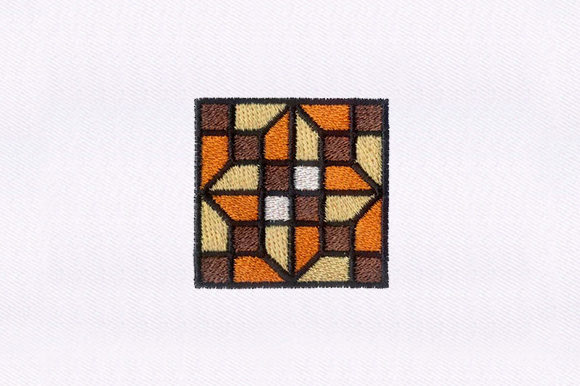
Subtle Quilting Design
A Professional Review for Small Business Merchandise and Branding
As an experienced embroidery designer, I recently reviewed Subtle Quilting Design for potential use in small business merch, branded patches, and custom apparel. The design offers a unique blend of texture and subtlety that could be a valuable asset for businesses looking to add a touch of craftsmanship without overwhelming their brand.
First Impression: A Blend of Texture and Sophistication
Upon first glance, Subtle Quilting Design feels like it belongs in a bedroom setting, with its soft, woven aesthetic. However, its versatility extends far beyond that category. The design is neither too bold nor too decorative, making it ideal for brands that want to convey a sense of quality and care without being overly flashy.
The subtle stitching patterns evoke the look of handcrafted textiles, which can help elevate the perceived value of any product it's applied to. It’s a design that speaks to both tradition and modernity, offering a fresh take on classic embroidery elements.
Real-World Use Cases for Subtle Quilting Design
Subtle Quilting Design has a wide range of applications for small businesses. Here are some practical scenarios where this design could shine:
- Embroidered Patches: Perfect for adding a refined detail to caps, jackets, or aprons.
- Staff Uniforms: Adds a professional touch to workwear without being distracting.
- Apron Embroidery: Offers a subtle yet elegant accent that complements kitchen or craft environments.
- Cap Embroidery: Ideal for branding caps with a minimalist approach.
- Tote Bag Design: Can serve as a subtle logo or signature element on promotional bags.
- Product Packaging Accents: Adds a tactile element to boxes or labels, enhancing the overall customer experience.
- Custom Apparel: Works well as a secondary design on shirts, skirts, or tote bags.
Whether used as a standalone design or as part of a larger branding strategy, Subtle Quilting Design has the potential to create a cohesive visual identity across multiple product lines.
Considerations for Commercial Use
While Subtle Quilting Design is versatile, there are a few factors to consider before using it in commercial embroidery projects:
- Small Patch Sizes: The intricate details may not translate well to very small patches. Test the design at 1/4 inch scale to ensure clarity.
- Curved Surfaces: The design may require careful placement on items like caps or curved aprons to maintain proportion.
- Tiny Lettering: If the design includes text, ensure it remains legible at smaller sizes.
- High Stitch Density: Be mindful of stitch count and hoop size to avoid distortion or damage to fabric.
- Textured Fabric: The design may interact differently with various fabric types, so testing on real materials is essential.
- Dark Uniforms: Consider thread color contrast when applying the design to dark-colored garments.
- Frequent Washing: Ensure the design is durable enough for high-use items like aprons or uniforms.
These considerations will help you achieve the best results while maintaining the integrity of the original design.
Impact on Brand Identity and Customer Trust
Using Subtle Quilting Design in your branding can significantly enhance your brand identity. Its textured, artisanal feel aligns well with handmade products and eco-conscious brands. This design can help build trust with customers who value authenticity and quality.
Additionally, the design contributes to visual consistency across all merchandise. Whether it's a patch, a cap, or a tote bag, Subtle Quilting Design maintains a cohesive look that reinforces your brand’s personality and professionalism.
From a marketing perspective, the design also supports buyer engagement. Its subtle nature makes it suitable for both casual and formal settings, ensuring it appeals to a broad audience without being overpowering.
Practical Tips for Embroidery Designers
If you're planning to use Subtle Quilting Design, here are some practical steps to follow:
- Test in Black and White: Ensure the design works well in monochrome before finalizing colors.
- Check Patch Size Compatibility: Confirm the design scales properly at small sizes.
- Review Thread Color Contrast: Choose thread colors that complement the background fabric.
- Inspect Spacing: Make sure the design doesn’t appear crowded or sparse.
- Confirm Hoop Size: Ensure the design fits within standard hoop dimensions.
- Test on Real Fabric: Always do a test run on actual materials before full production.
- Use Proper Stabilizer: Help prevent puckering and distortion during embroidery.
- Create a Mockup: Present a printable mockup to clients for approval.
- Compare with Other Assets: Ensure the design aligns with other brand visuals.
- Confirm Licensing: Verify that the design is commercially licensed for business use.
Following these steps will help you maximize the potential of Subtle Quilting Design while minimizing risks associated with commercial embroidery projects.